Customized Cognitive Support Services for Seniors
Customized memory care programs for seniors are proving more vital in tackling unique memory issues. These offerings prioritize bespoke care plans that acknowledge distinct life journeys and inclinations. By fostering active involvement through customized enrichment options, they endeavor to elevate overall life experience. Comprehending the key aspects of these services can assist families in choosing appropriately. What factors should be considered when choosing the optimal memory care service?
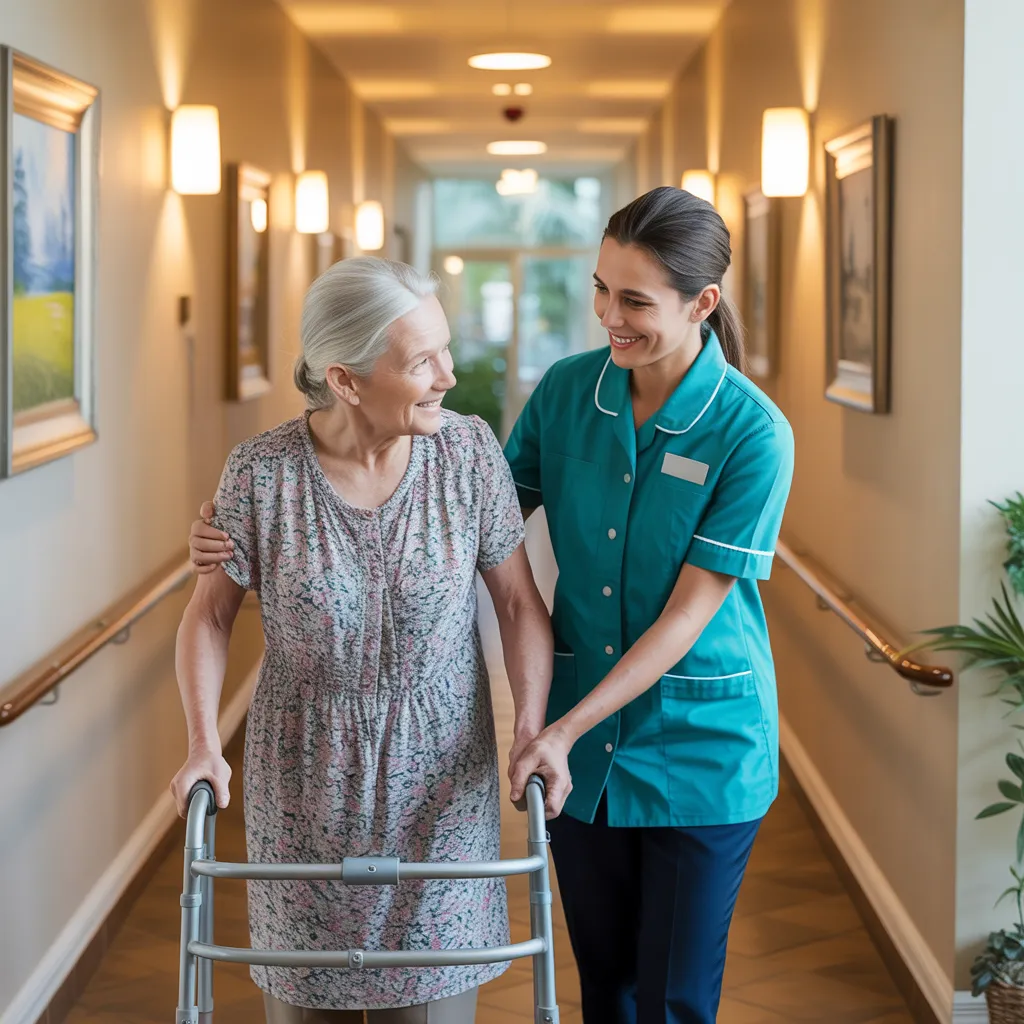
What You Need to Know About Tailored Memory Care Services
When considering memory care options, it is imperative to comprehend how tailored strategies can notably improve the quality of life for seniors facing mental decline. Adapted memory care options are formulated to address the distinctive requirements of each individual, recognizing that cognitive decline affects individuals uniquely. These services often include individualized programs and schedules that correspond to a senior's preferences, capabilities, and inclinations, thereby fostering involvement and a sense of purpose.
Additionally, staff trained in advanced dementia support methods can provide support that honors the dignity and autonomy of each client. This individualized attention helps in reducing confusion and anxiety, which are prevalent in those with memory impairments. Furthermore, family involvement is encouraged, ensuring a holistic approach to care. Ultimately, customized dementia support programs aim to establish an setting where seniors can thrive, promoting both psychological health and cognitive engagement.
Benefits of Personalized Care Plans for Memory Challenges
Personalized support plans are essential in handling the individual memory challenges experienced by older adults. These customized strategies are intended to address specific requirements, confirming that care complies with the specific cognitive and emotional demands of every senior. By highlighting life experiences, choices, and strengths, such plans generate a sense of familiarity and comfort, which can ease stress often connected to memory loss.
Moreover, tailored care plans strengthen engagement by including activities that align with the seniors' interests, fostering mental stimulation and social connection. This individualized method can produce improved mental performance and a better standard of living. Additionally, caregivers equipped with detailed insights of the senior's preferences can provide more caring and helpful care, minimizing frustration levels for all parties. Ultimately, personalized care approaches enable seniors, facilitating them to navigate their memory issues with dignity and self-assurance.
Best Practices for Tailored Memory Care Programs
Creating gold standards for tailored memory care programs requires a wide-ranging comprehension of each senior's specific desires and circumstances. Care providers should prioritize thorough assessments that explore cognitive abilities, physical condition, and emotional stability. This foundational knowledge enables the advancement of individualized care blueprints that competently resolve distinct obstacles.
Frequent staff training is critical, making sure caregivers are equipped with the current methods in elderly care. Partnership with families establishes a supportive environment, allowing caregivers to blend in unique backgrounds and requirements into daily routines. Implementing technology, such as monitoring devices and collaboration platforms, can enhance security and engagement.
Moreover, adaptability in care plans is essential; adjustments should be made as seniors' conditions evolve. Regular assessment of care effectiveness through feedback and monitoring guarantees ongoing enhancement. By adhering to these proven strategies, memory care programs can deliver a nurturing and attentive environment that promotes dignity and well-being for seniors.
Activities That Enrich Quality of Life in Memory Care
Specialized memory care programs not only focus on personalized treatment strategies but also stress the importance of engaging activities that improve the quality of life for seniors. These programs are created to activate mental abilities while promoting social interaction and mental health. Art therapy, music sessions, and gardening can provide creative outlets, enabling residents to express themselves and connect with their environment.
Structured reminiscence therapy prompts seniors to reflect on memories, building a sense of identity and purpose. Physical pursuits, such as gentle exercises or dance, help preserve mobility and boost mood. Additionally, sensory experiences—like cooking or pet therapy—can trigger pleasant feelings and strengthen sensory perception.
Finding the Best Memory Care Resource for Your Family Group
How can loved ones' relatives guarantee they choose the most appropriate memory care service for their family members? The choice begins with thorough investigation. Families should assess the particular requirements of their loved ones, taking into account factors such as the nature and stage of memory impairment. Touring potential facilities enables families to observe the setting, staff view this guide engagement, and available amenities.
Accreditation and caregiver credentials are vital signs of excellence. Families should ask regarding caregiver-to-patient ratios and the education given to caregivers. Additionally, it is important to evaluate the range of activities and therapies offered, as these can greatly impact residents' well-being.
To summarize, parents should seek out reviews and testimonials from other families to gather firsthand experiences. By balancing individual requirements with professional recommendations, parents can take educated decisions that guarantee their family members receive the personalized and caring support they deserve.
Regularly Posed Questions Regarding Our Products
How Should I Assess My Loved One's Unique Memory Care Requirements?
To assess specific memory care requirements, one should observe behavioral changes, communication abilities, performance in daily activities, and emotional health. Consulting healthcare professionals for assessments and gathering feedback from care providers can further clarify those needs.
What Qualifications Should Exist for Healthcare Providers in Memory Care Facilities?
Staff members in care facilities need to acquire proper certifications, dementia care training, skilled communication, understanding, and experience. Additionally, they must display patience and versatility to appropriately support the specific requirements of residents.
Are Specialized Memory Care Services Paid for by Insurance?
Insurance for tailored memory care services varies considerably among organizations. Many plans may share the burden of expenditures, but it's indispensable for individuals to ascertain specifics with their insurance agent to determine their coverage amounts and limitations.
How Frequently Do Care Plans Get Reviewed and Updated?
Care plans are regularly assessed and modified, often quarterly or biannually. This ensures that the changing needs of people are properly addressed, allowing for modifications in care strategies and interventions as needed.
What Details Do I Notice During a Site Tour?
During a facility tour, one ought to observe cleanliness, staff interactions, resident engagement, safety procedures, available amenities, and overall atmosphere. Additionally, examining the facility's approach to personalized care and community involvement is essential for informed decision-making.